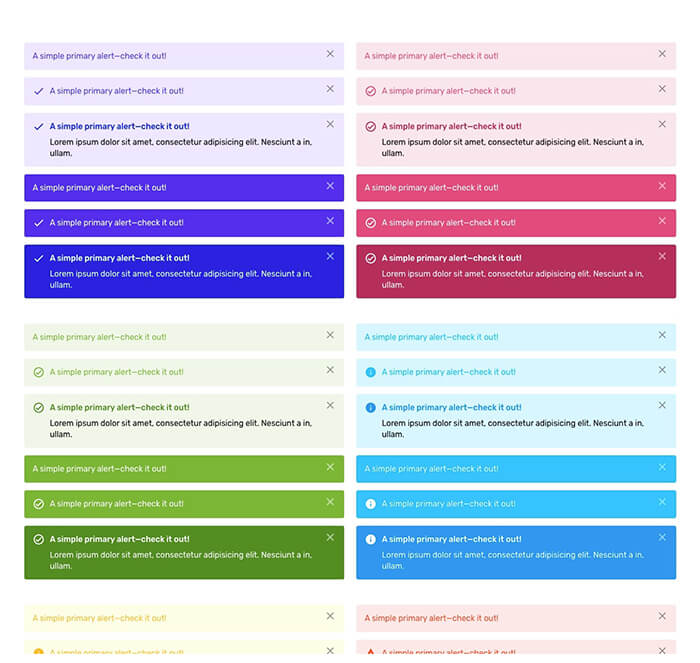
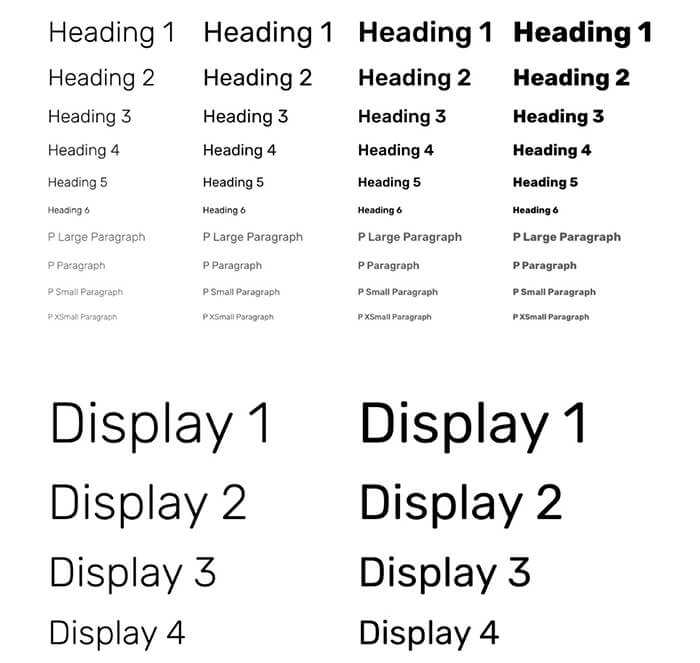
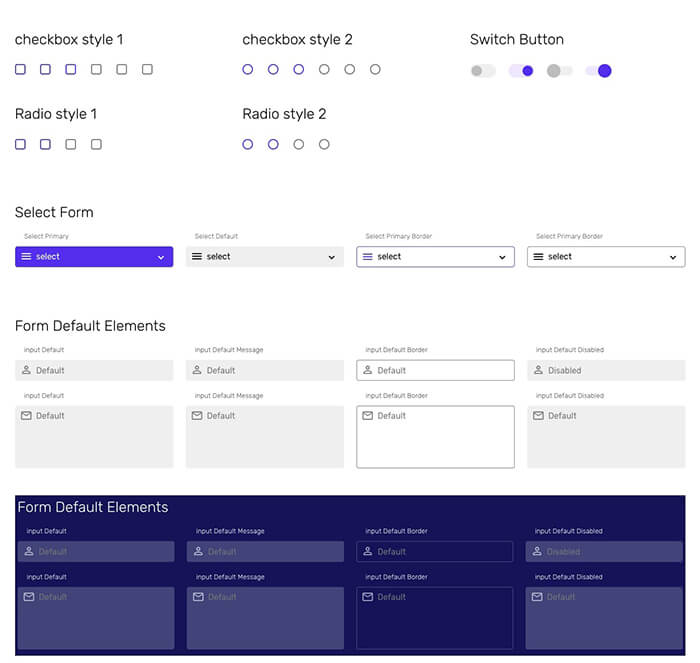
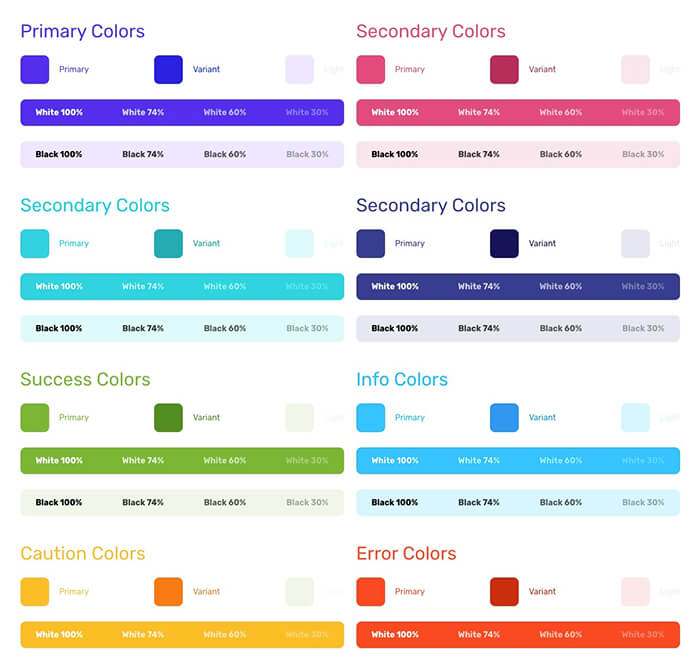
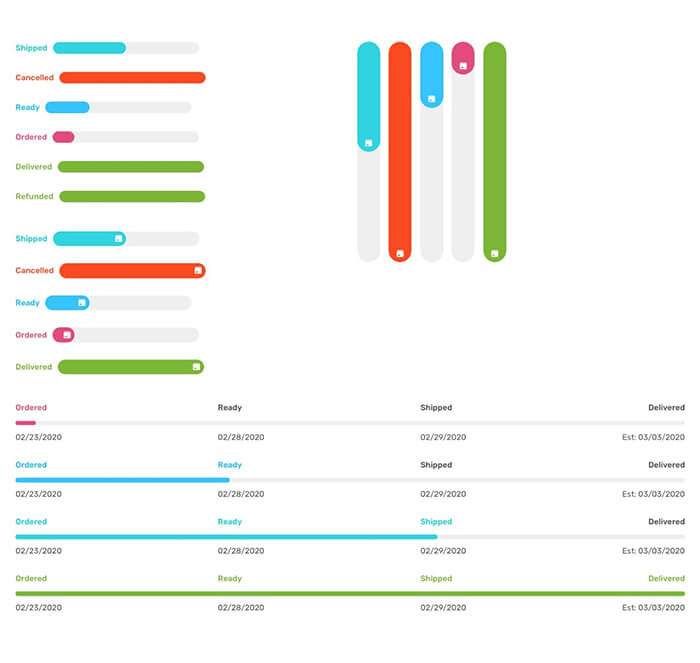
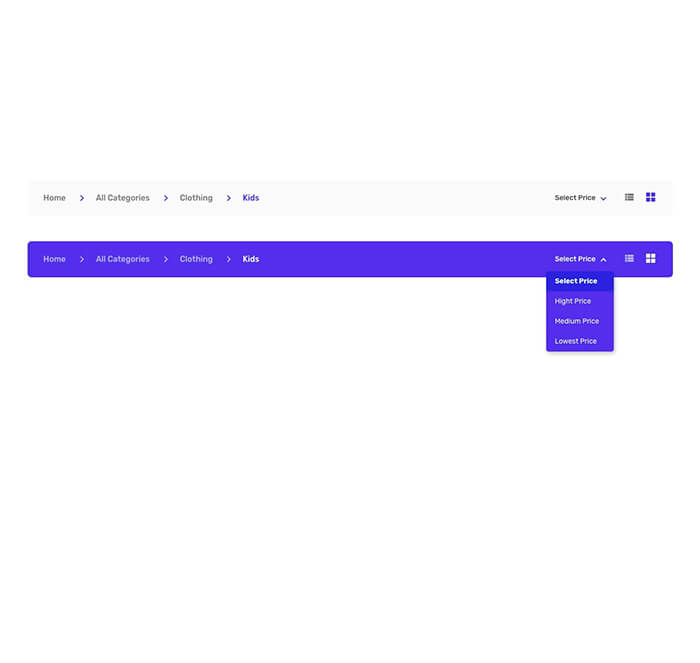
eCommerce Focused HTML UI Kit for Pretty Much any Kind of eCommerce Web Projects. Rapidly and Easily Build eCommerce User-Interface Using Ready to Use 300+ UI elements, 120+ Sections, and Multiple HTML Templates.
Moving beyond basic searches to find high-quality, authoritative databases and primary sources.
: Mastering the tools and strategies needed to find specific information amidst vast "pools" of data.
[Historical Baseline] ---> Tracks how literacy evolved from hypertext to AI. [Curriculum Design] ---> Helps build foundational frameworks for schools. [Citation Needs] ---> Provides the definitive source for academic papers.
“The ability to understand and use information in multiple formats from a wide variety of sources when it is presented via computers.”
Why Researchers Search for the "Digital Literacy Paul Gilster PDF"
In today's digital age, being able to effectively navigate and utilize digital technologies is crucial for individuals of all ages. Paul Gilster, a renowned expert in the field of digital literacy, provides a comprehensive guide on the topic in his book, "Digital Literacy". The book is available in PDF format, making it easily accessible to readers worldwide.
Use the first paragraph, the 4 key competencies, and the hashtag. Instagram/Facebook:
Traditional reading is linear (from left to right, page by page). Digital reading is lateral, driven by hyperlinks. Gilster highlighted the need to navigate these links without losing track of the original research goal, understanding how different pieces of the web connect conceptually. 4. Content Presentation and Creation
If you can’t access the original book, these resources capture similar ideas:
The concept of digital literacy has become a cornerstone of modern education and professional development, yet its origins trace back to a pivotal text published in 1997. Paul Gilster’s book, Digital Literacy , fundamentally changed how we perceive our relationship with technology. While many users today search for a "digital literacy Paul Gilster PDF" to access his foundational theories, understanding the core tenets of his work is essential for anyone navigating the information age. The Genesis of Digital Literacy
In his book, Gilster broke down digital literacy into four essential components. These competencies remain the bedrock of modern digital citizenship education: 1. Critical Evaluation (Content Evaluation)
Prior to Gilster’s book, discussions around computers in education focused heavily on technical skills. Schools emphasized typing speed, basic programming, and learning how to operate specific software hardware. Gilster challenged this techno-centric view by shifting the focus from to cognition .
of how digital literacy differs from media literacy Which of these areas
Not just consuming information, but creating it responsibly using AI and digital tools. Final Thoughts
Educators use his original four-pillar model to design modern media literacy curricula.
Reading the original text provides a fascinating look at the late-1990s web (the era of dial-up, Netscape, and early search engines) while proving that the psychological challenges of information overload were predicted accurately from the start. Gilster's Framework in the Age of AI and Deepfakes
Mastering search engines to locate specific, high-quality information.

Moving beyond basic searches to find high-quality, authoritative databases and primary sources.
: Mastering the tools and strategies needed to find specific information amidst vast "pools" of data.
[Historical Baseline] ---> Tracks how literacy evolved from hypertext to AI. [Curriculum Design] ---> Helps build foundational frameworks for schools. [Citation Needs] ---> Provides the definitive source for academic papers.
“The ability to understand and use information in multiple formats from a wide variety of sources when it is presented via computers.”
Why Researchers Search for the "Digital Literacy Paul Gilster PDF" digital literacy paul gilster pdf
In today's digital age, being able to effectively navigate and utilize digital technologies is crucial for individuals of all ages. Paul Gilster, a renowned expert in the field of digital literacy, provides a comprehensive guide on the topic in his book, "Digital Literacy". The book is available in PDF format, making it easily accessible to readers worldwide.
Use the first paragraph, the 4 key competencies, and the hashtag. Instagram/Facebook:
Traditional reading is linear (from left to right, page by page). Digital reading is lateral, driven by hyperlinks. Gilster highlighted the need to navigate these links without losing track of the original research goal, understanding how different pieces of the web connect conceptually. 4. Content Presentation and Creation
If you can’t access the original book, these resources capture similar ideas: Paul Gilster, a renowned expert in the field
The concept of digital literacy has become a cornerstone of modern education and professional development, yet its origins trace back to a pivotal text published in 1997. Paul Gilster’s book, Digital Literacy , fundamentally changed how we perceive our relationship with technology. While many users today search for a "digital literacy Paul Gilster PDF" to access his foundational theories, understanding the core tenets of his work is essential for anyone navigating the information age. The Genesis of Digital Literacy
In his book, Gilster broke down digital literacy into four essential components. These competencies remain the bedrock of modern digital citizenship education: 1. Critical Evaluation (Content Evaluation)
Prior to Gilster’s book, discussions around computers in education focused heavily on technical skills. Schools emphasized typing speed, basic programming, and learning how to operate specific software hardware. Gilster challenged this techno-centric view by shifting the focus from to cognition .
of how digital literacy differs from media literacy Which of these areas the 4 key competencies
Not just consuming information, but creating it responsibly using AI and digital tools. Final Thoughts
Educators use his original four-pillar model to design modern media literacy curricula.
Reading the original text provides a fascinating look at the late-1990s web (the era of dial-up, Netscape, and early search engines) while proving that the psychological challenges of information overload were predicted accurately from the start. Gilster's Framework in the Age of AI and Deepfakes
Mastering search engines to locate specific, high-quality information.

To define essential style guidelines, from typography to buttons to alerts.
Choose the best plan depending on your requirement, all plans are one-time payment. No renewals!
Single Seat - 03 Projects
03 Seats - 10 Projects
Unlimited Seats - Unlimited Projects
Answered all your Frequently Asked Questions, still confused? feel free to open a support ticket, our team will get back to you ASAP.