98 Tamil Aunty Showing Her Big Boobs On Webcam Www Tamilsexstories Info Flv Guide
Launching successful startups, driving the growth of female entrepreneurship.
For centuries, issues of female health have been shrouded in silence. Menstruation, a natural biological process, has been laden with taboos, with women being barred from entering temples or kitchens during their period. However, a powerful counter-movement is underway. Social media campaigns like #HappyToBleed have fought for access to sanitary pads and fought to break the shame. Women are now openly discussing menstrual health, infertility, and menopause. Films and OTT series are tackling these subjects with nuance. A landmark moment was the release of Pad Man , a Bollywood film about a man creating affordable sanitary pads, which brought period-talk into the mainstream. The fight for reproductive rights and open conversations about sex and consent is the new frontier of feminism in India.
To help tailor more content on this topic, let me know if you want to focus on: The differences between lifestyles Specific regional traditions (North vs. South India) The rise of female entrepreneurship in India Share public link
Indian women's lifestyle and culture is a vibrant and diverse topic, reflecting the country's rich heritage and its rapidly changing modern landscape. Here are some interesting aspects:
The lifestyle and culture of Indian women represent a dynamic fusion of ancient traditions and modern independence. Today, Indian women navigate a complex social landscape, balancing deep-rooted cultural expectations with rapidly expanding opportunities in education, career, and personal autonomy. Launching successful startups, driving the growth of female
The traditional joint family system emphasizes collective well-being over individual desire. In this setup, women historically assumed the roles of homemakers, caretakers, and guardians of cultural rituals.
The lifestyle and culture of Indian women cannot be encapsulated in a single narrative. Home to over 700 million women, India is a land of stark contrasts. This report explores the multifaceted lives of Indian women, highlighting how they navigate a complex interplay of ancient traditions, familial duties, and rapid modernization. While urban women are redefining gender roles in corporate and digital spaces, rural women remain the backbone of the agricultural economy. Together, they are shaping a new, evolving Indian identity.
(What will people say?), which reflects a culture deeply rooted in community opinion. However, the flip side is an unbreakable sisterhood
While the traditional joint family system—where multiple generations live under one roof—remains prevalent in rural areas, urban centers have seen a massive shift toward nuclear families. Even in nuclear setups, familial bonds remain exceptionally strong, with women maintaining daily contact with extended relatives. However, a powerful counter-movement is underway
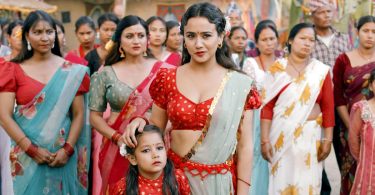
The wardrobe of an Indian woman is a vivid canvas that tells the story of her region, community, and personal modern identity.
The lifestyle and culture of Indian women is a dynamic interplay between parampara (tradition) and pragati (progress). This article explores the core pillars of this fascinating world, examining how they have shaped the past, define the present, and are forging the future for women in India.
Like much of the world, Indian women still fight for equal pay and equal representation in leadership positions.
Living in India as a woman is like walking through a living gallery where ancient traditions and high-speed modernity don’t just coexist—they dance. It is a life defined by "and" rather than "or." The Morning Ritual: Tradition in the Mundane Films and OTT series are tackling these subjects with nuance
Food is a cornerstone of Indian hospitality, and women have traditionally been the custodians of secret family recipes and regional culinary arts. Even as meal kit delivery services and restaurants rise in popularity, cooking fresh, balanced meals remains an integral part of home life.
Spirituality in India is not confined to temples and festivals; it is woven into the fabric of daily life. For many Indian women, the day begins with a ritual: lighting a diya (lamp), drawing a kolam or rangoli (intricate geometric designs made of rice flour or colored powders) at the threshold of the home, and reciting morning prayers. The kitchen is often seen as a sacred space, with many women observing fasts ( vrat ) on specific days of the week for the well-being of their families. Karva Chauth , where a wife fasts from sunrise to moonrise for the long life of her husband, is one of the most well-known, but there are dozens of other regional fasts like Teej , Varamahalakshmi Vrata , and Navratri , each with its own mythology and rituals. These practices provide a sense of peace, community, and a structured moral compass, though their observance varies widely across generations and urban-rural divides.
A massive resurgence in supporting local weavers and sustainable, organic fabrics. Dietary Habits and Culinary Heritage
. Life is lived loudly with aunties, cousins, and neighbors. Whether it’s a chaotic three-day wedding or a simple tea session, the Indian woman’s lifestyle is rarely solitary; it is fueled by a massive, often meddlesome, but fiercely protective support system. The Modern Shift: Reclaiming the Narrative
Daily cooking relies heavily on spices like turmeric, cumin, and ginger, valued as much for their medicinal properties as their flavor.
Indian women often balance multi-generational caregiving, looking after both children and aging parents or in-laws. This dual responsibility shapes their daily schedules and long-term life choices.